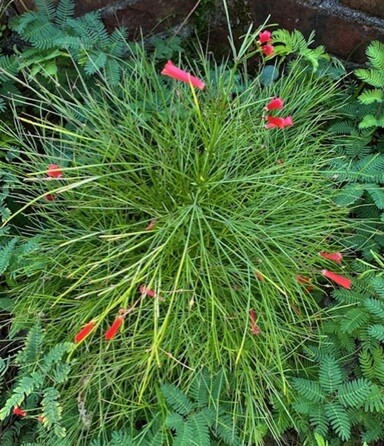
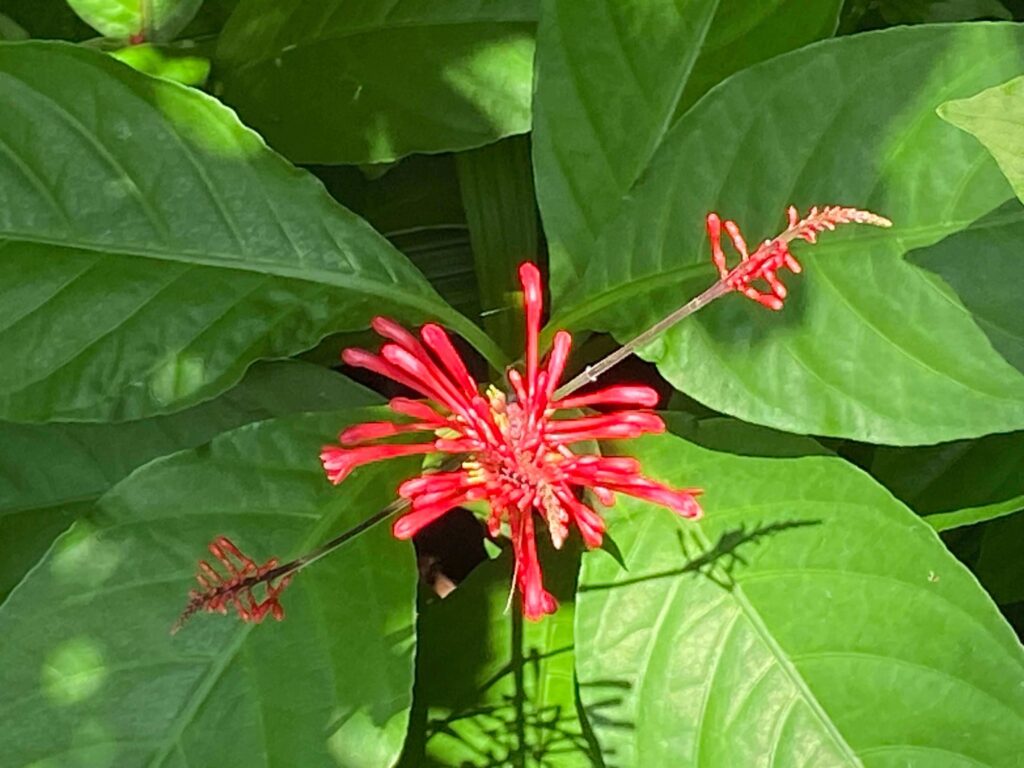
It must be July — the firecracker plants – just like fireworks, are sending up bright red blooms in a graceful arc. Firecracker plant (Russelia equisetifolmis) is a hardy perennial in our area, coming back every year after the winter freezes. The light green foliage is very fine and grass-like, adding texture, movement and color to gardens. Firecracker loves the sun and is salt and wind tolerant, making it a great plant for beach gardens. The red blooms (there is also a yellow form) are hummingbird favorites. It also serves as a host plant for buckeye butterflies.
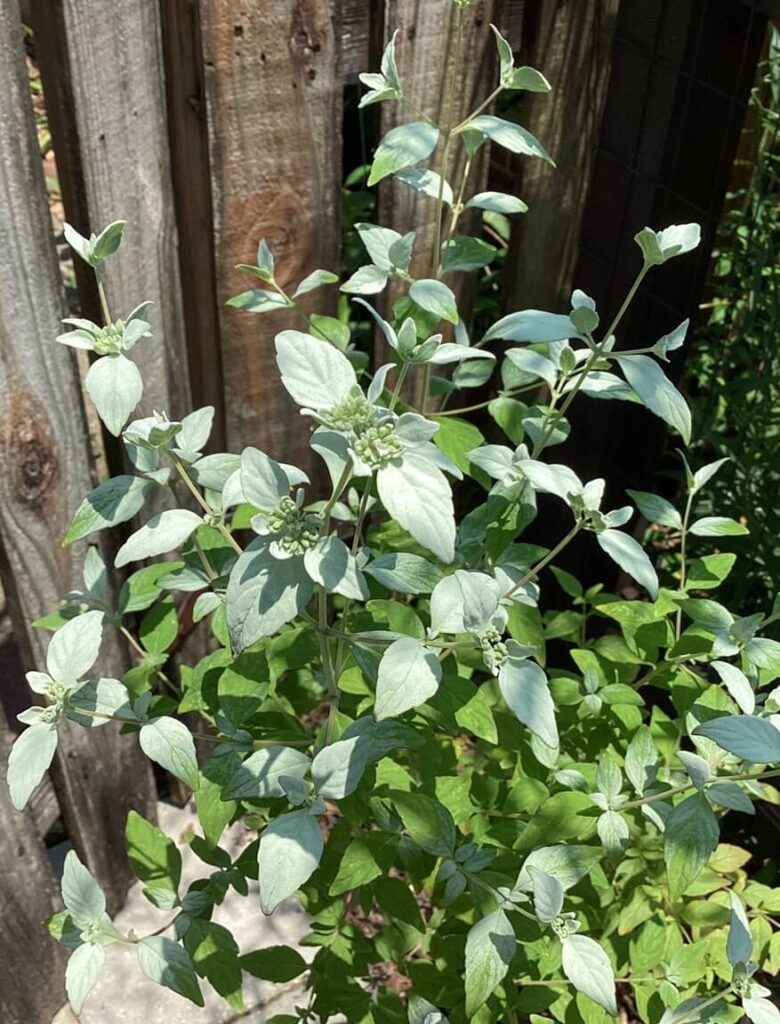
Other heat-loving blooming plants are exploding into color, coinciding with the explosion of pollinating insects. One of my favorites is Mountain Mint (Pycnanthemum ssp.), a native plant blooming this month. Its small white flowers wouldn’t be all that showy, except the foliage directly under and around the flowers turns silver when blooming. Mountain Mint is evergreen, but at this time of year, the silvery color is lighting the way for the pollinators. The tiny flowers are nondescript, but the foliage can’t be missed. Mountain mint has historically been used medicinally and for flavoring.
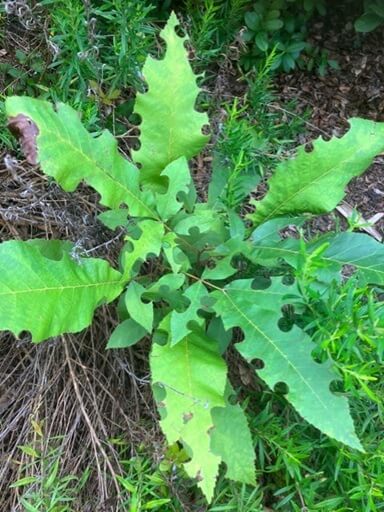
One of our most interesting bees is active right now — the leaf cutter bee. These bees are about the size of a honeybee, but have a darker coloration. Leaf cutter bees are solitary bees, meaning they don’t live in colonies or hives. The female leaf cutter bee uses her mandibles to cut circles or semicircles from pliable leaves. These leaf circles are formed into “chambers”, where the female deposits an egg and enough pollen needed to feed the larva to adulthood.
Each chamber is about 1/2” or smaller in diameter, and the chambers are stacked to make a column several inches long. These columns of stacked chambers are put into natural cavities. (I have found several in bags of pine bark). These structures have even more amazing features. The chambers hatch starting with the last laid egg, in the opposite order they were assembled. The female can control the sex of the eggs she lays. Males hatch more quickly than females, so the female eggs are laid first to be in the chamber, giving them time to fully develop. Nature is amazing with the adaptations every species has to allow it to eat, shelter, and/or reproduce!
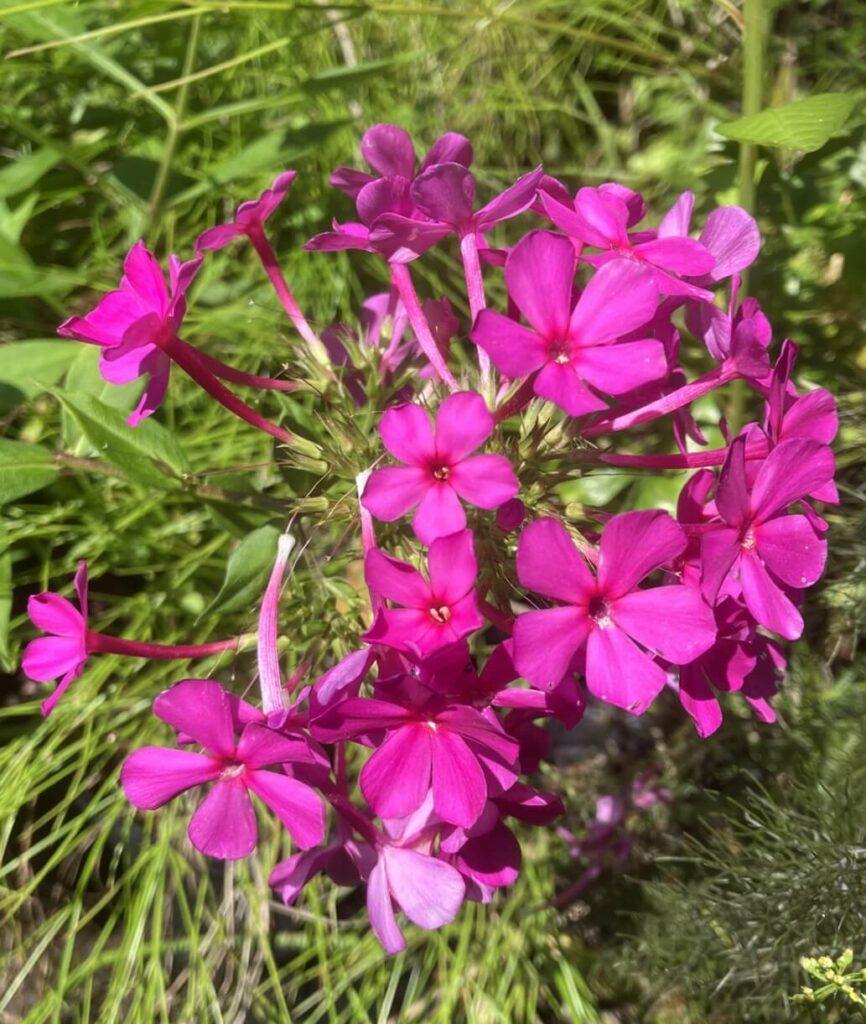
This month we begin to see more purple, pink, red, and orange blooms in greater numbers. Several of our native perennials are examples. Garden phlox (Phlox panicuata) is producing heads of vibrant fuchsia flowers. There are a number of native phlox species, but because of our humidity, only a few thrive here. This phlox is a long-lived, spreading perennial here. Garden phlox will spread in the garden and is easy to maintain, divide, and transplant.
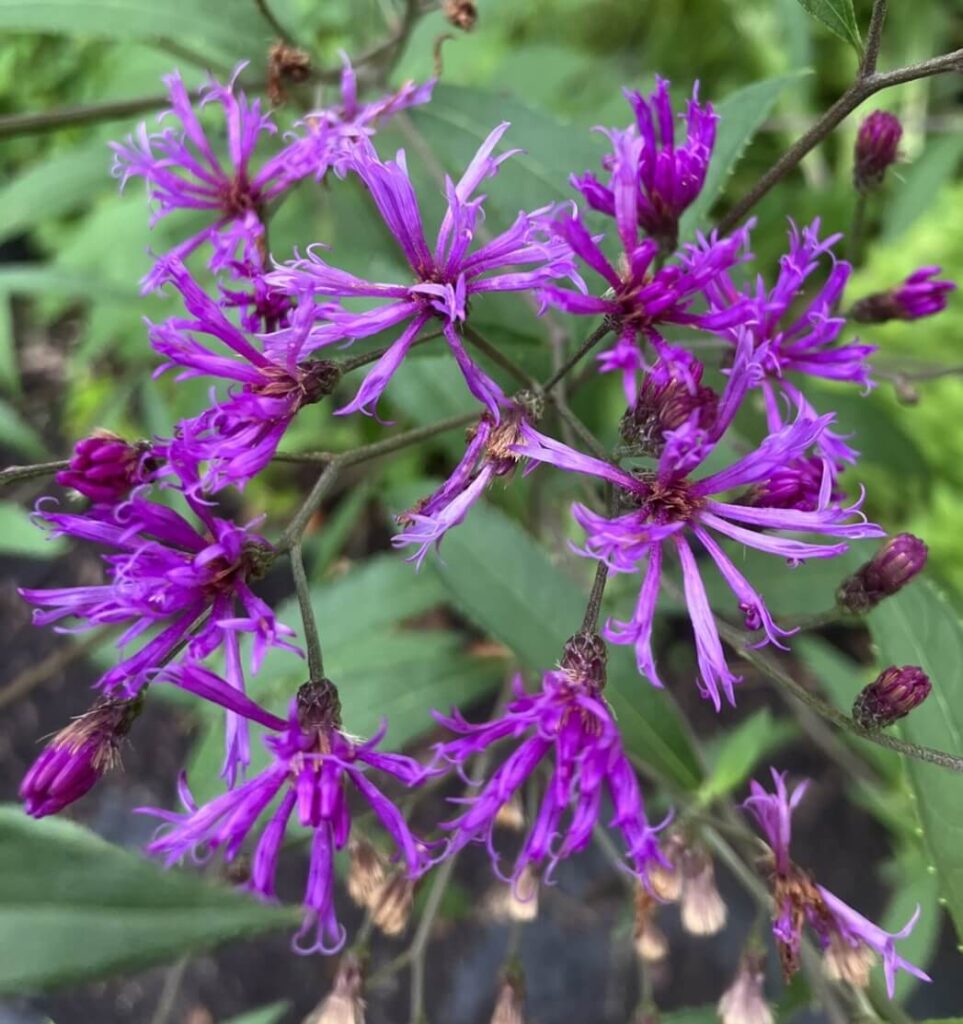
Native ironweeds have earned their name. They aren’t always easy to transplant. They form a deep root system, and tough persistence. Narrow Leaf Ironweed (Vernonia angustifolia) grows in dry, well-drained soil. It can grow from 2’ – 4’ depending on the moisture. Giant Ironweed (Vernonia gigantes) grows in wetter places and true to its name, can get to 6’ or more. Both plants are adaptable, and both have large clusters of purple blooms, like a bouquet. If you are a crafter with dried flowers, ironweed flowers are easy to air dry, and last in wreaths or arrangements, keeping their color for years. Both species grow in my garden — just about wherever they want to! Both freely re-seed.
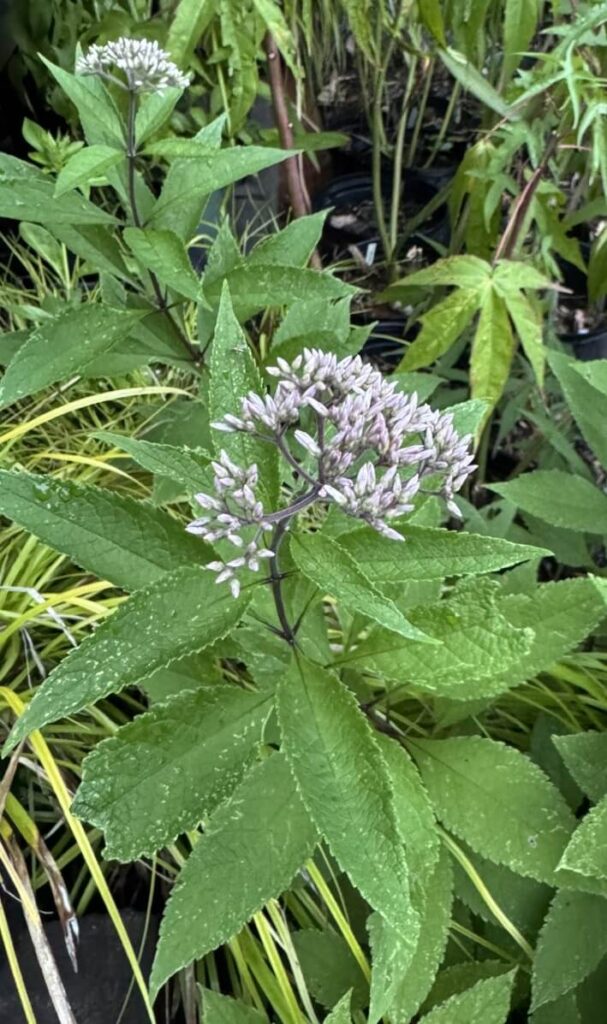
Speaking of tall native perennials … Joe Pye weed (Eutrochium purpureum) is in bud and will open its giant mauve flower heads this month. It’s one of the very best pollinator plants. The legend is that it is named after a native American healer named Joe Pye, and has been used as a medical plant for many years. Joe Pye weed grows in moist areas, reaching a height over 6’. It can tolerate drier soil with regular irrigation, but doesn’t reach the same height. Joe Pye weed dies back every winter, re-emerging in the spring. (We planted Joe Pye just inside The Garden Gate in the bog garden behind the pond. Every spring, when the plant broke ground, we would measure the daily growth — sometimes as much as five inches a day.)
As beautiful as a sunny garden full of flowers and butterflies can be, I hope that all gardeners have a shady spot with a chair to escape the July heat. Being comfortable outside in the summer, watching instead of working in the garden, usually reveals things unnoticed before. Plants in shady environments often have very large leaves, like a tropical jungle. The larger leaves collect enough sunlight to convert to energy through photosynthesis.
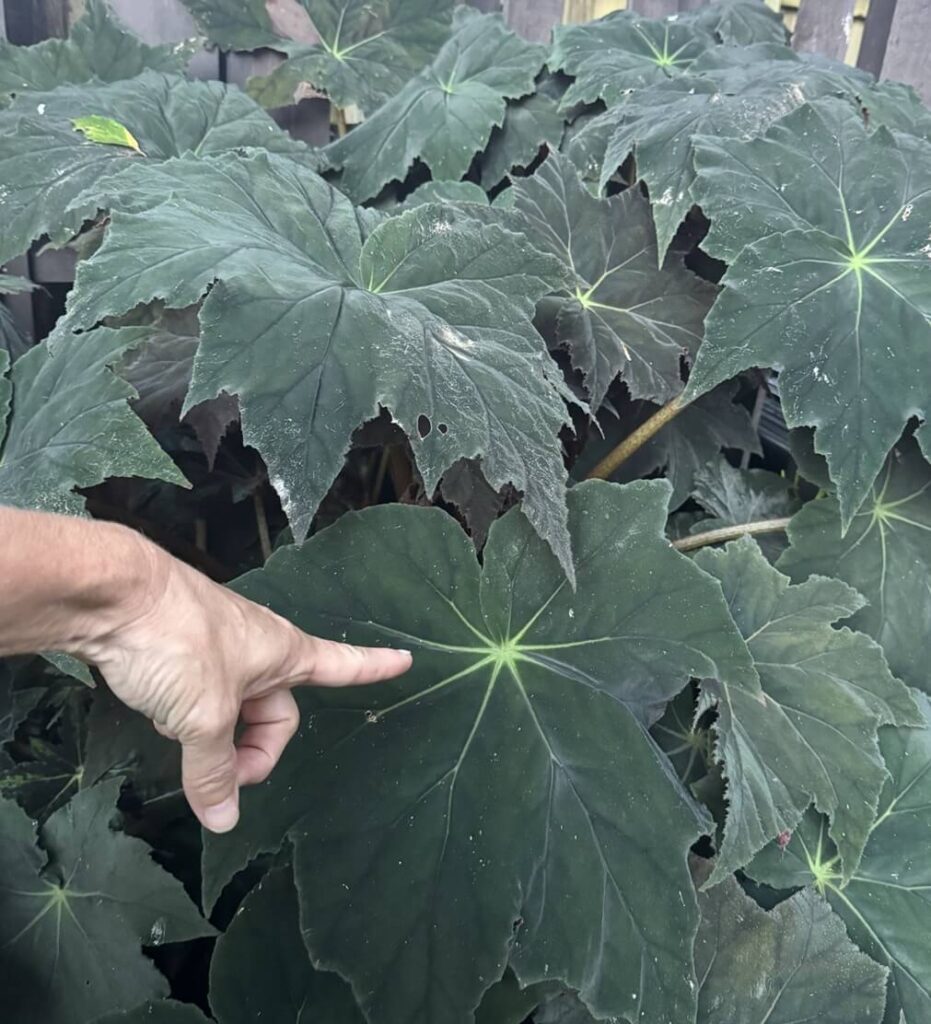
Generally, plants in the shade bloom for a much shorter time than plants growing in the sun. But foliage color in the shade can attract the eye just as showy flowers do in the sun. Foliage color can differ widely from sun to shade. Some of the heirloom begonias, for example, have leaves so deep green that they appear black. Other begonias are patterned like sun and shade.
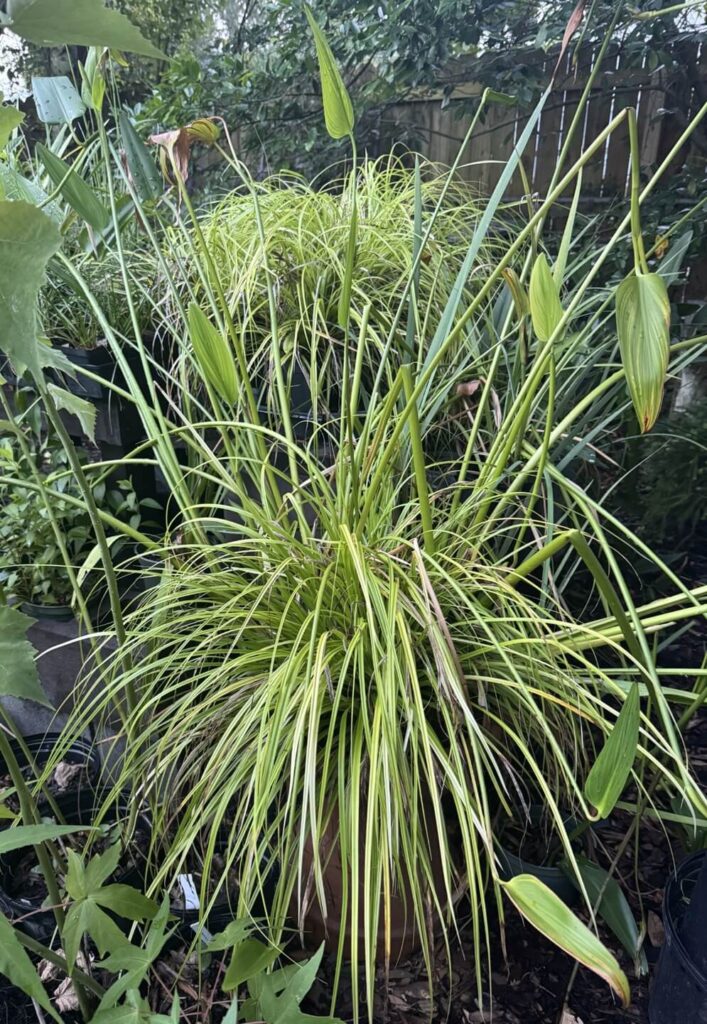
Sunlight makes the difference in foliage color for plants that grow in both sun and shade. Golden sedge (Carex lutea) is a very bright yellow in the sun. In the shade, it is still a light green, but much less bright.
Plants that bloom in the shade often have red or white blooms to stand out for their pollinators. Gingers and some lilies are shade-blooming perennials. One of my favorites is fire spike (Odontonema cuspidatum), a fall bloomer with bright red flower spikes. This plant grows in sun or shade, but looks much different in sun. It has small, brighter green leaves in the sun, but shady fire spike has larger, darker leaves. Hummingbirds love it anywhere!
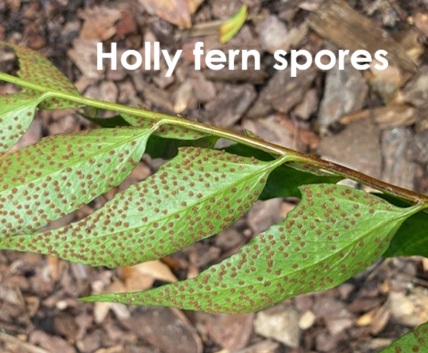
Some plants that grow in the shade have existed on earth long enough to predate pollinators. These plants reproduce by spores rather than seeds. Ferns are an example of shade loving plants that produce spores. When the spores are “ripe” the wind will blow them to a shady moist spot to germinate.
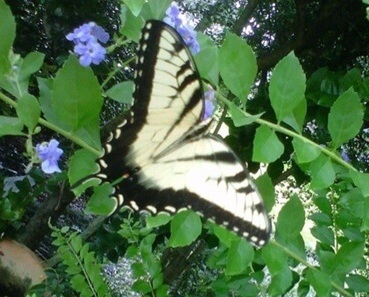
The interplay of light and dark coloration allows many insects and birds to hide in “plain sight” or “disappear” in a shady environment. Several of our most beautiful butterflies use forest trees or shrubs as host plants, and are often seen in the shade. The giant swallowtails and tiger swallowtails are examples. Even though these butterflies are some of the largest in our area, they can be mostly invisible until they move. Even in motion, they are hard to see if there is a breeze. There is so much unseen right in front of us.
Many caterpillars are also yellow and black striped or dotted to hide in plain sight. Birds also have protective coloration — woodpeckers with spots and stripes, mockingbirds, chickadees, and titmice with gray feathers that appear as shadows. But when we do notice these creatures hidden in plain sight, our brains begin to “see” more and more of these details.
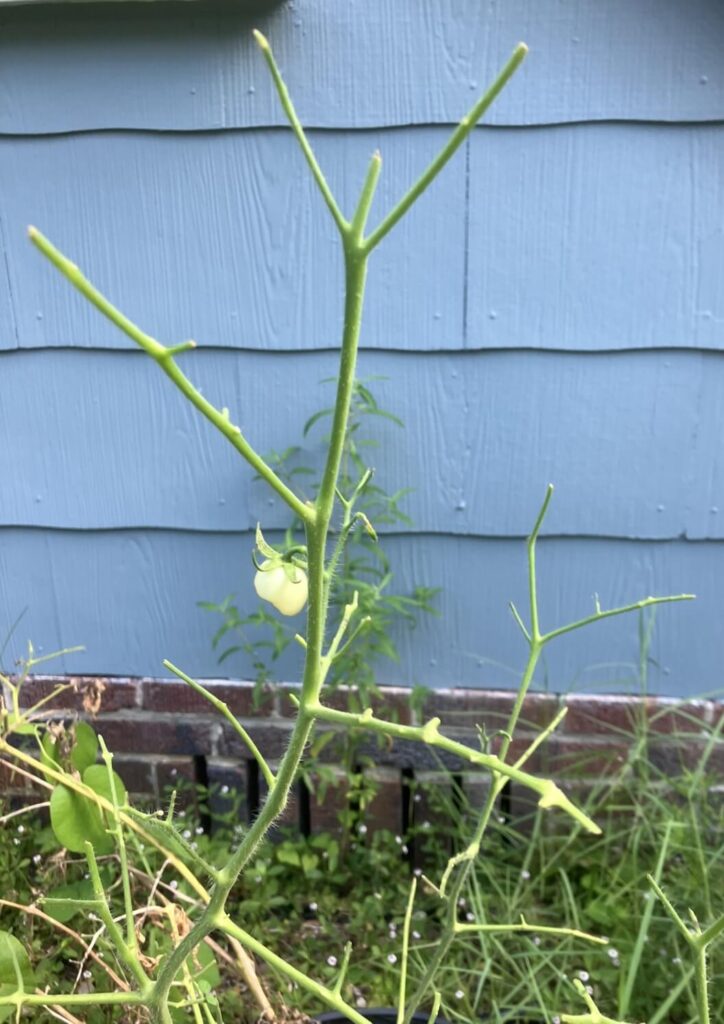
A great example of insect camouflage is a tomato hornworm, the larva of a beautiful sphinx moth. It is easy to see damage on the tomato plant — all the foliage has been eaten. But the hornworm, usually very large, is nowhere to be seen. Upon closer investigation, our eyes suddenly adjust and the huge caterpillar appears! I never found the hornworm that ate this tomato plant!
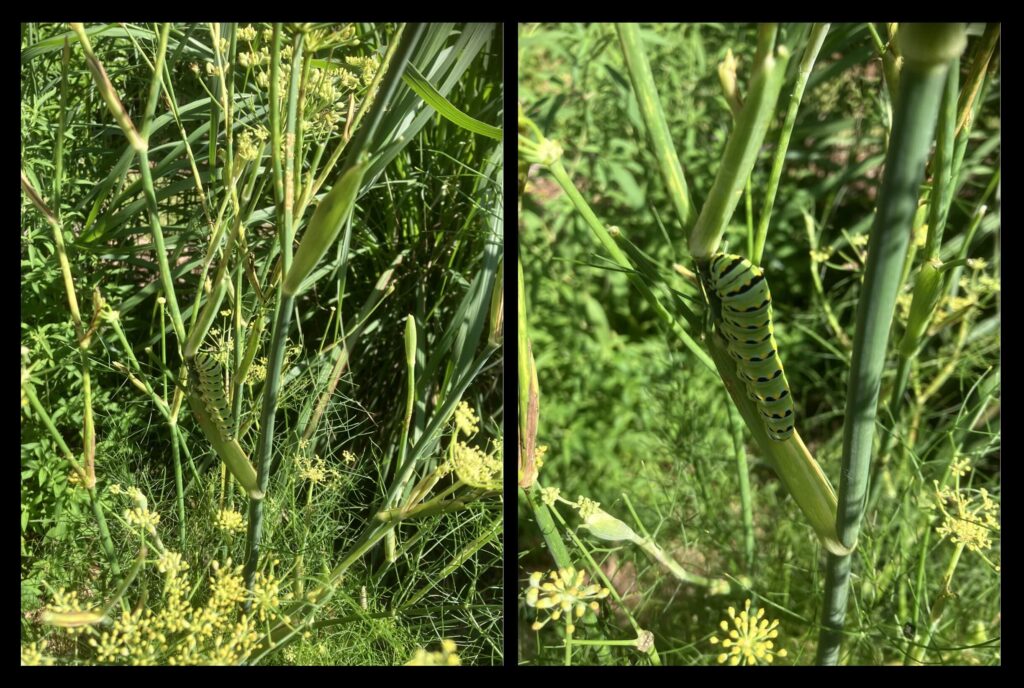
These pictures show Eastern black swallowtail caterpillars. These also disappear on their host plant!
Will July be wet, with lots of rain? Or will we be dry as well as hot? Hopefully we will have enough rain to balance the heat, but not too much! How water is processed through the garden is the key to healthy plants. There are three main components: soil amendments, watering practices, and mulch.
Soil amendments can be a double-edged sword. Amendments can be used to feed the plants or to change the soil’s capacity to process water. Our soils usually drain quickly and don’t hold water for long. It seems logical that amendments with extra water holding capacity would mean a lot less work for gardeners. However, plants take up water through the root tip membranes. These membranes are semi-permeable — letting water into the roots, or closing, if the soil is saturated. This is the process of osmosis. Water moves through the plants to be released through the foliage. Humidity often slows down or prevents this release. Soil amendments with peat moss, coco fiber, or man-made water-holding substances sometimes hold water to the point where the membranes close to water. The plant responds with withering or yellowing foliage, looking like it is dying of thirst, when it is actually drowning.
Other soil amendments contain fertilizers, many designed to make the plant grow bigger, faster, or bloom sooner. All of these processes use energy the plant might later need to use in a different order. If the top of the plant is growing before the root system to support it, it will be unstable. If the plant blooms before the pollinators are present, it may not have the energy to bloom when pollination could occur. This is comparable to eating a huge Thanksgiving dinner, but not being able to move for hours afterward. The fertilizer in these products will last for usually up to 6 months, if it is a time-release type. Beyond that, it is up to the gardener to add fertilizer.
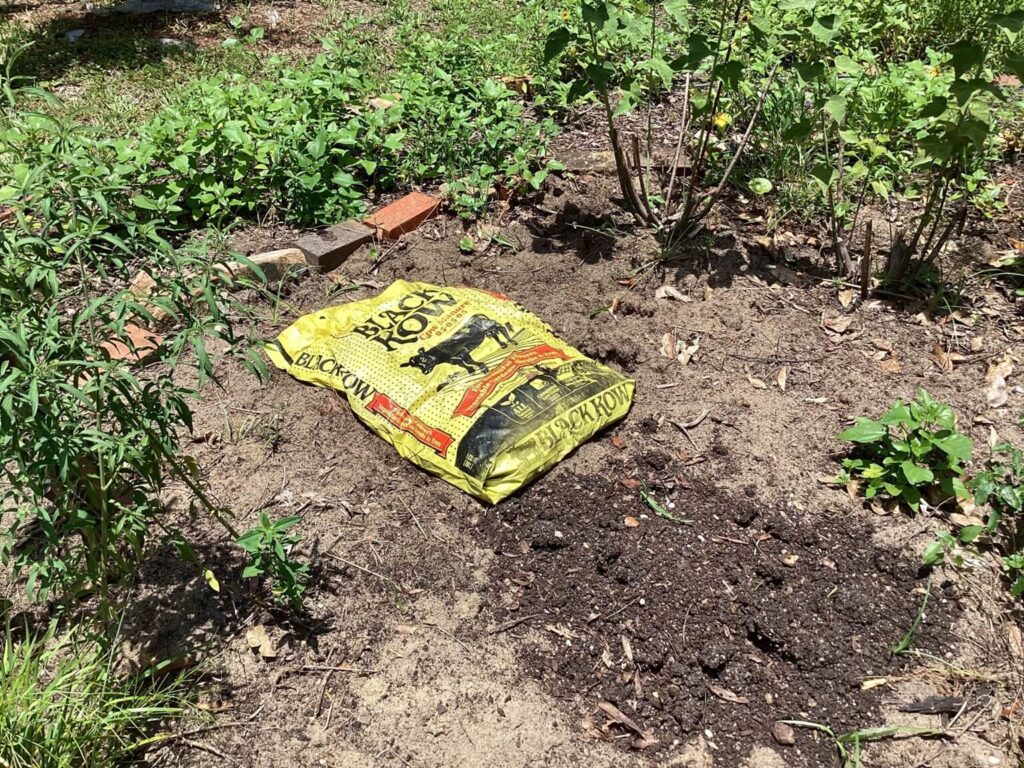
The natural soil amendments, such as manures or mushroom compost are the best for our area. These amendments feed the soil organisms that start the natural process of composting, creating a source of continuing nutrition for the plants. Natural soil amendments have a water-holding capacity, and should be mixed in with the soil when planting.
Hoses and irrigation systems can also be “plus or minus” in the garden. Watering with a hose has the advantage of putting the right amount of water on the root system, where the plant can take it up. Watering the foliage doesn’t usually support the plant, and can sometimes make it difficult for the plant to “exhale” excess water from the roots. Again, humidity is a big factor.
Hand-watering with a hose can make a crucial difference for newly planted trees and shrubs, especially as the root system is becoming established. Shallow watering — just soaking the top inch or so of the soil, can keep roots close to the surface that should grow deep to stabilize the plant. (FYI — summer is not a good time to plant trees and shrubs. Fall and winter allow these plants to establish the root system before having to support top growth.)
Irrigation systems, both overhead and drip, also have both good and bad attributes. Overhead irrigation can cover large areas at a time, usually set up to run at a certain time of day for a certain length of time — making less work for the gardener. In periods of heavy rain, this type of watering can saturate the ground, closing down osmosis. And because overhead sprinklers water the foliage, there’s an increased chance for fungus and mildew diseases.
In very dry years, our shallow aquifers “sink”, allowing salt water from the Gulf to fill the space. I’ve only seen this twice in the past thirty years, in Gulf Breeze, where the aquifer is close to the surface and most wells are shallow. With no way to tell beforehand, the landscape would yellow and quickly die because of the salt in the irrigation.
Drip irrigation systems are generally more efficient at watering the plants, since they are designed to water individual plants. Because our soil is so well-drained, water from the drip hoses goes straight down rather than spreading over an area. The small drip sprinkler heads do a better job of getting the water to a larger root system. Drip systems are tedious to lay out, and if you’re like me and move plants around a lot, constant tweaking is needed. I use all three systems in my garden: the nursery gets overhead, veggies get drip, and I hand-water some areas and pots.
Mulches are also useful in water retention, slowing evaporation by blocking light and cooling the soil. The natural mulches are the best choice. Pine straw, pine bark, and oak or other leaves are nature’s mulch. Having served as foliage or bark on trees —just like most things in nature, mulches serve more than one purpose. As mulch breaks down into perfect compost, it helps retain moisture and provides nutrition plants need.
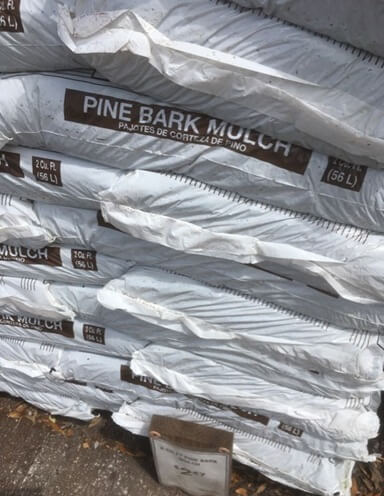
Mulch is also useful in controlling weedy growth. Most weed seeds don’t germinate under mulch. In newly planted areas, putting cardboard or newspaper under the mulch will help prevent or slow down weeds’ seed germination. The paper/cardboard will decompose in about a year, but usually by that time the new plants will have filled in to do their own shading.
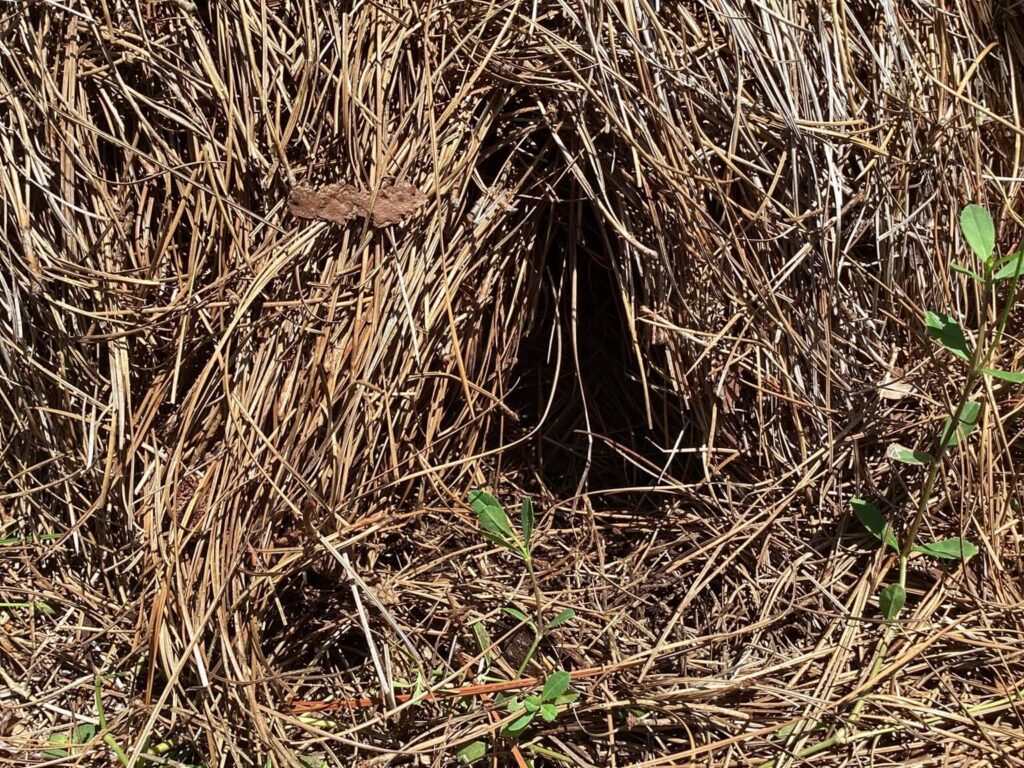
One last note about pine straw as a mulch. If, like me, you don’t get your roll of pine straw spread in a timely manner, a turtle will create a cavity for a comfortable home. And who wants to displace a turtle?


Leave a Reply